


Rhythm, balance, freedom and functional movement
Movement is more than animation
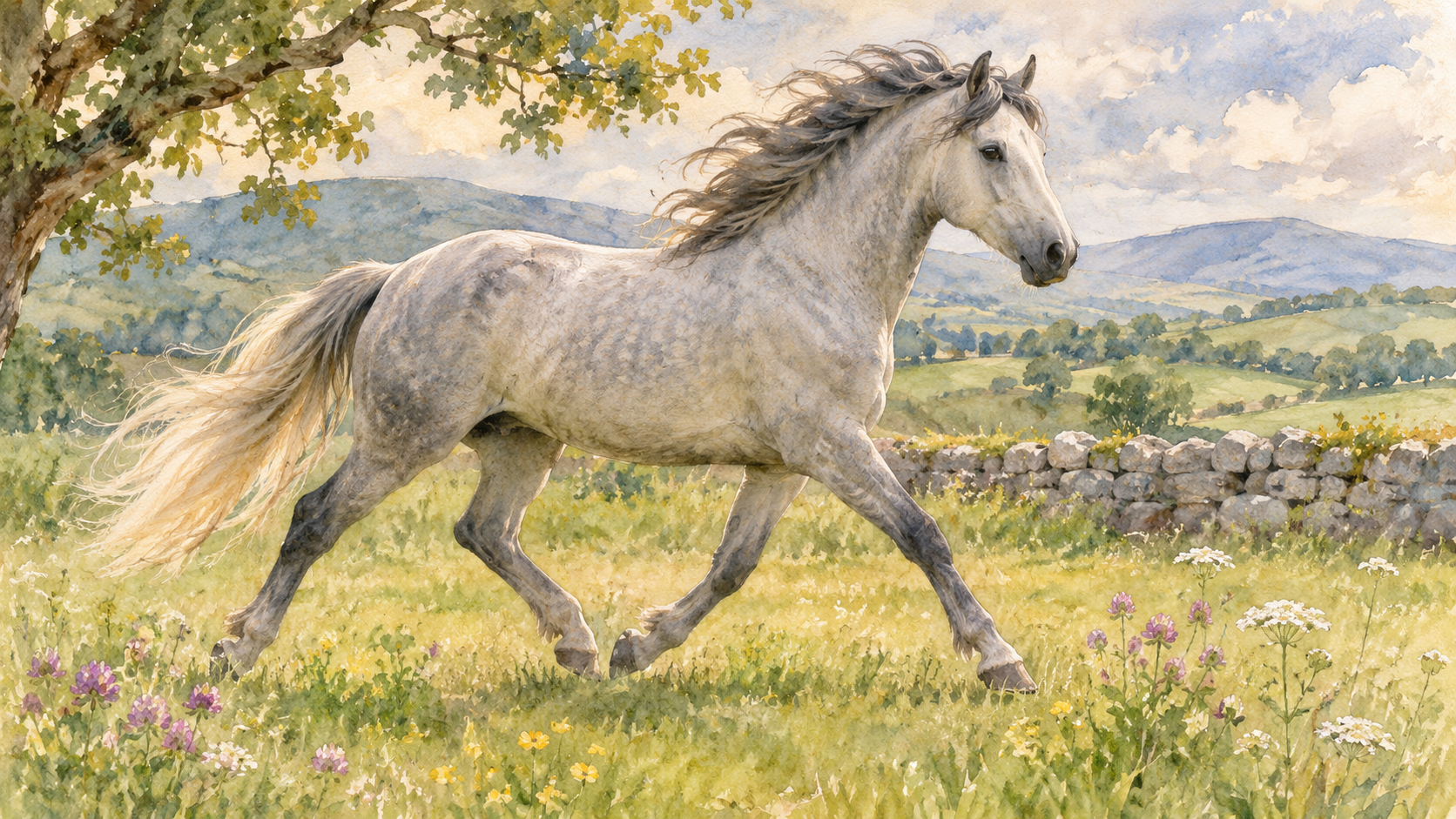
A dramatic trot can catch the eye, but spectacular action is not necessarily efficient action. The Connemara breed standards value movement that is free, easy, straight and true, with the shoulder able to move and the hindquarters working underneath the body. Watch the whole horse rather than one impressive stride. Conformation, training, footing, shoeing, fitness and rider influence all affect the picture.
The walk: the revealing gait
The walk is a four-beat gait. Look for a clear, regular sequence, a relaxed topline and a purposeful stride that covers ground without rushing. The horse should track forward willingly, with a natural swing through its body. Observe the walk in hand and, if appropriate, under saddle. Tension, unevenness or repeated irregularity warrants further evaluation; a short video is not enough to diagnose its cause.
The trot: rhythm and straightness
The trot is a two-beat diagonal gait with suspension. Look for an even tempo, similar steps on both reins, and a forehand that appears free rather than restricted. Observe from the side for balance and reach, then from front and behind for straightness. An extravagant foreleg action without corresponding use of the body is not the same as elastic, athletic movement. Changes in speed can disguise weaknesses, so ask to see an unhurried working trot.
The canter: balance and adjustability
The canter is a three-beat gait followed by suspension. A good canter should have a recognizable rhythm, active hindquarters and a balanced stride that can lengthen or shorten without falling onto the forehand. For jumping and eventing prospects, the quality and adjustability of the canter may be especially relevant. Young or green ponies may be less organized; evaluate them relative to age and education.
Straightness and symmetry
View a pony moving toward and away from you on a level, non-slip surface. Look for consistent limb placement and whether the body travels in the direction it is pointing. Some movement differences are training or developmental issues, while others may reflect conformation or soundness. A gait assessment is observational, not a veterinary lameness diagnosis.
The conditions of a fair assessment
See the horse on suitable footing, in both directions, at a comfortable pace and, when possible, in more than one setting. Compare in-hand movement with ridden movement only when the horse is appropriately trained. Record short videos from consistent angles. Resist judging a breeding prospect on one dramatic free-running moment.
The lasting lesson
Useful movement is regular, balanced and repeatable. The goal is a pony that can carry itself and its rider comfortably through years of varied work, not one that produces the flashiest photograph.
Related reading: Understanding Balance and Proportion · Evaluating the Young Connemara
References and further reading
Editorial note: This educational article is not a veterinary examination, diagnosis or prediction of future performance. Registry requirements should be checked directly before breeding or registering.
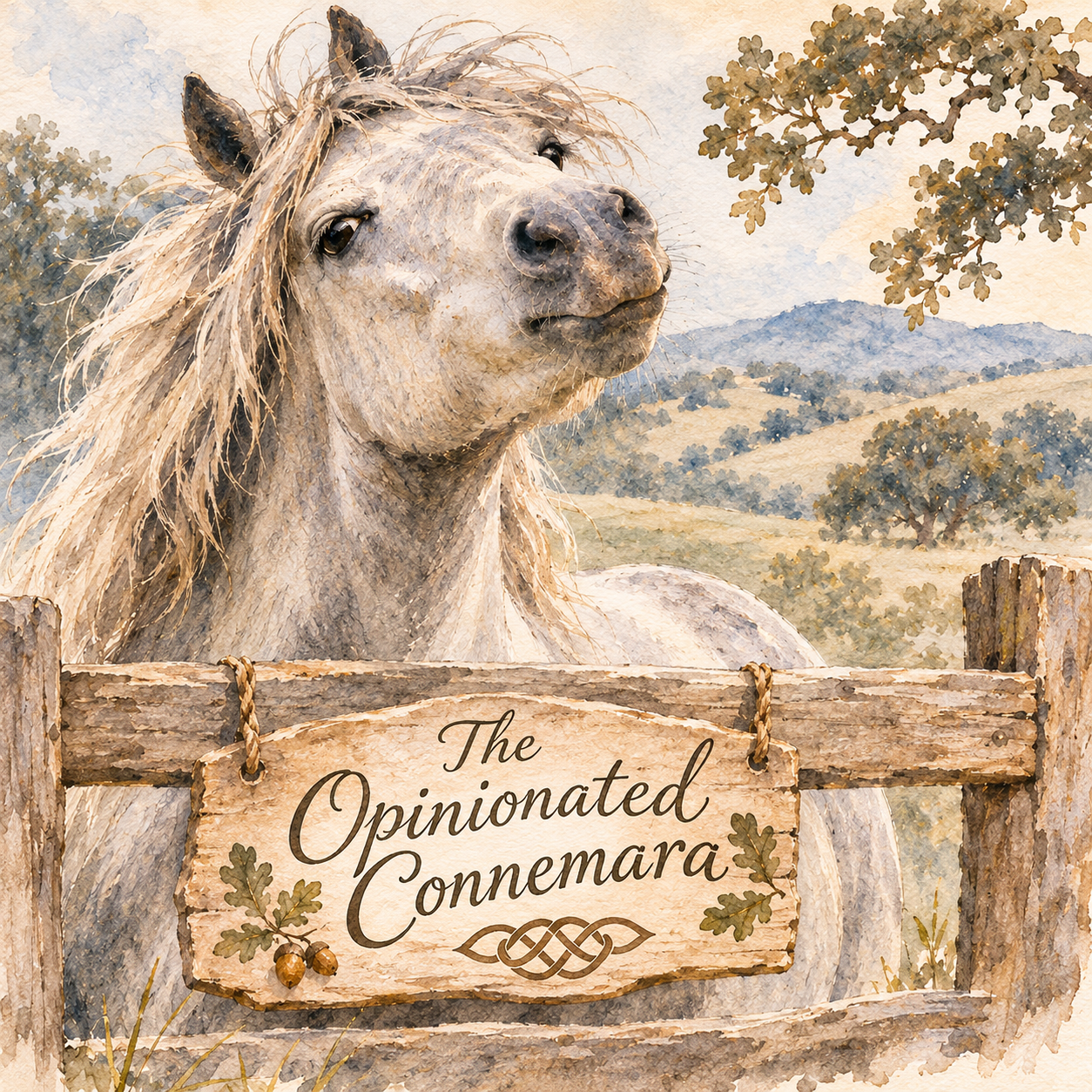
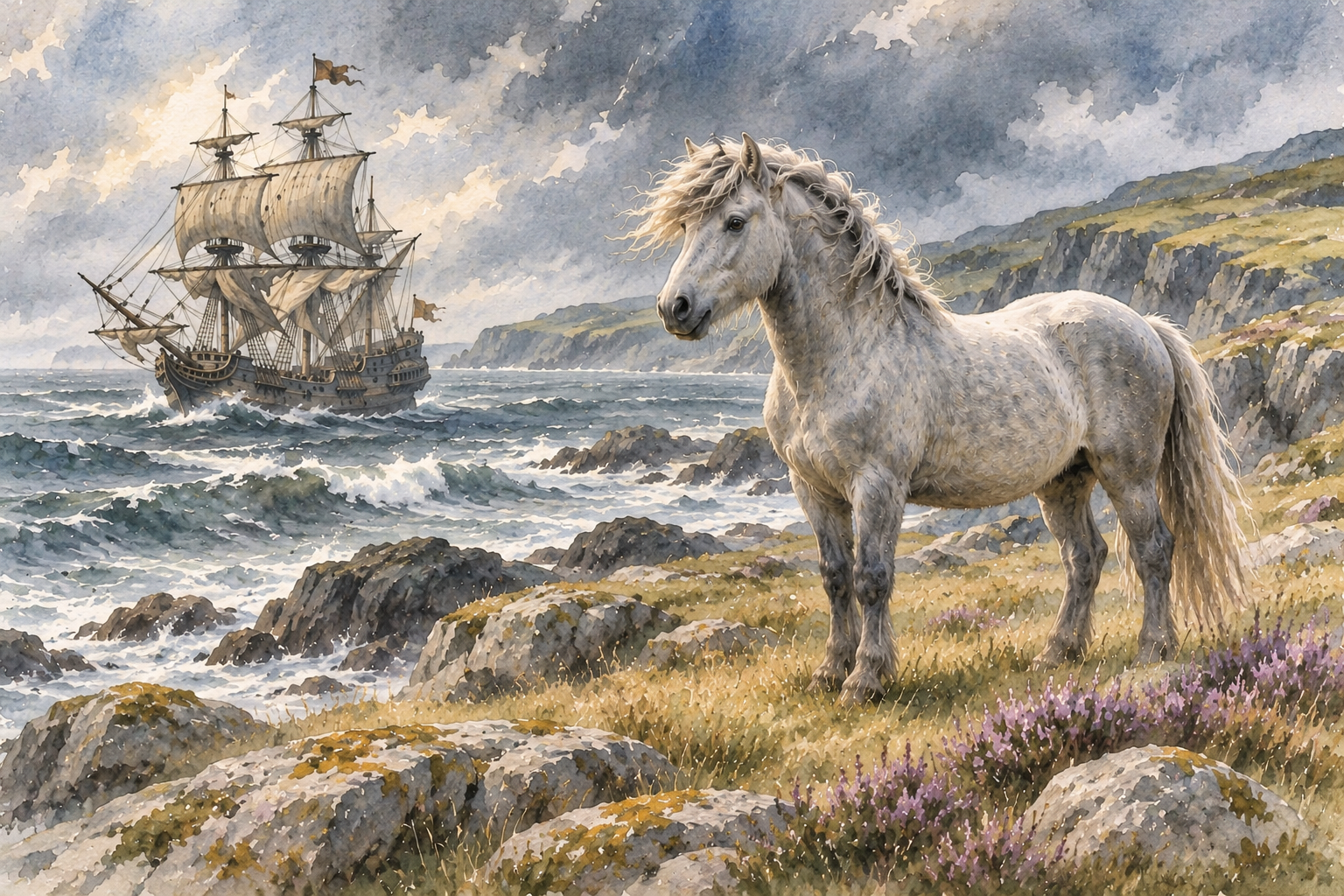
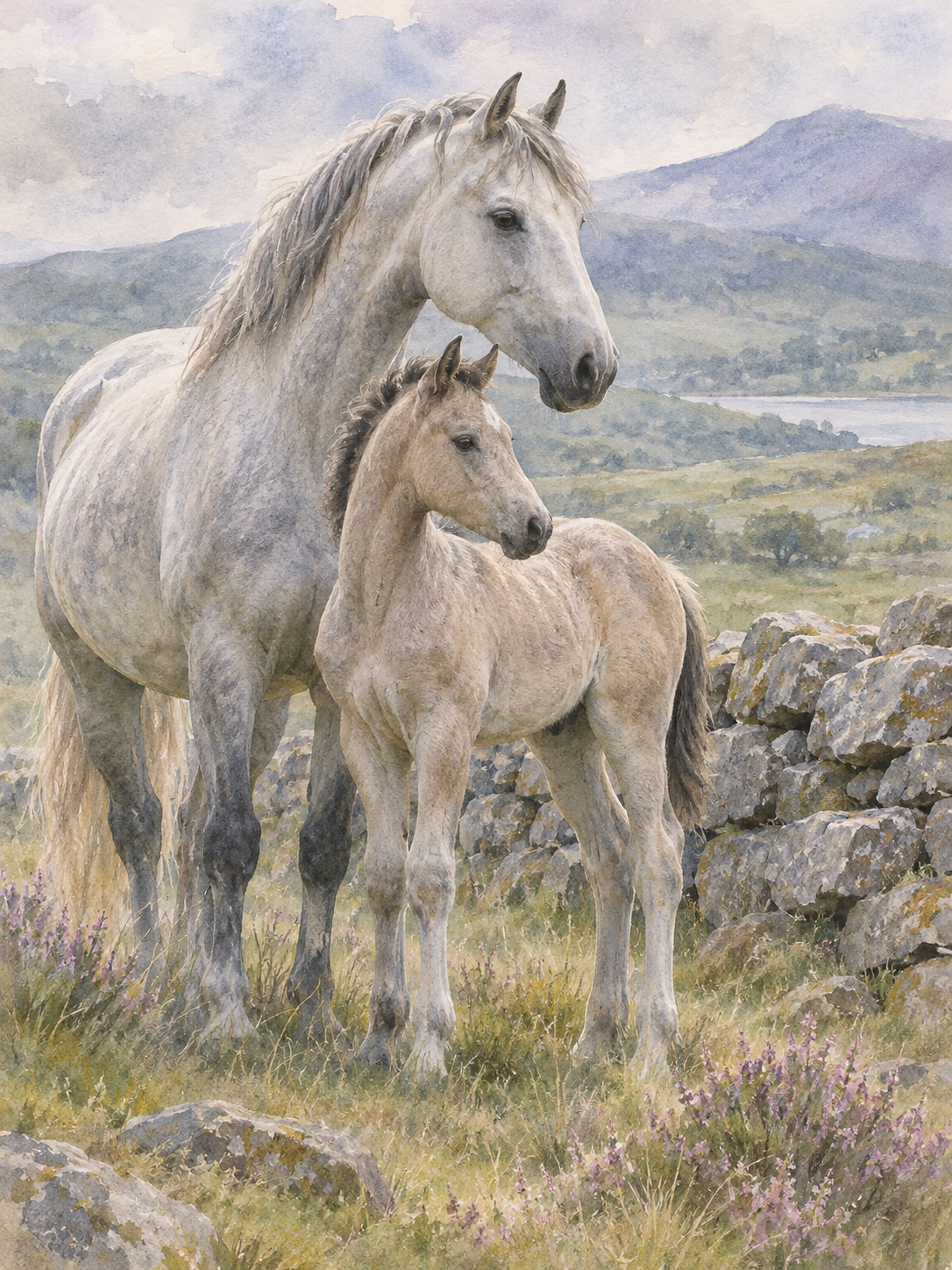
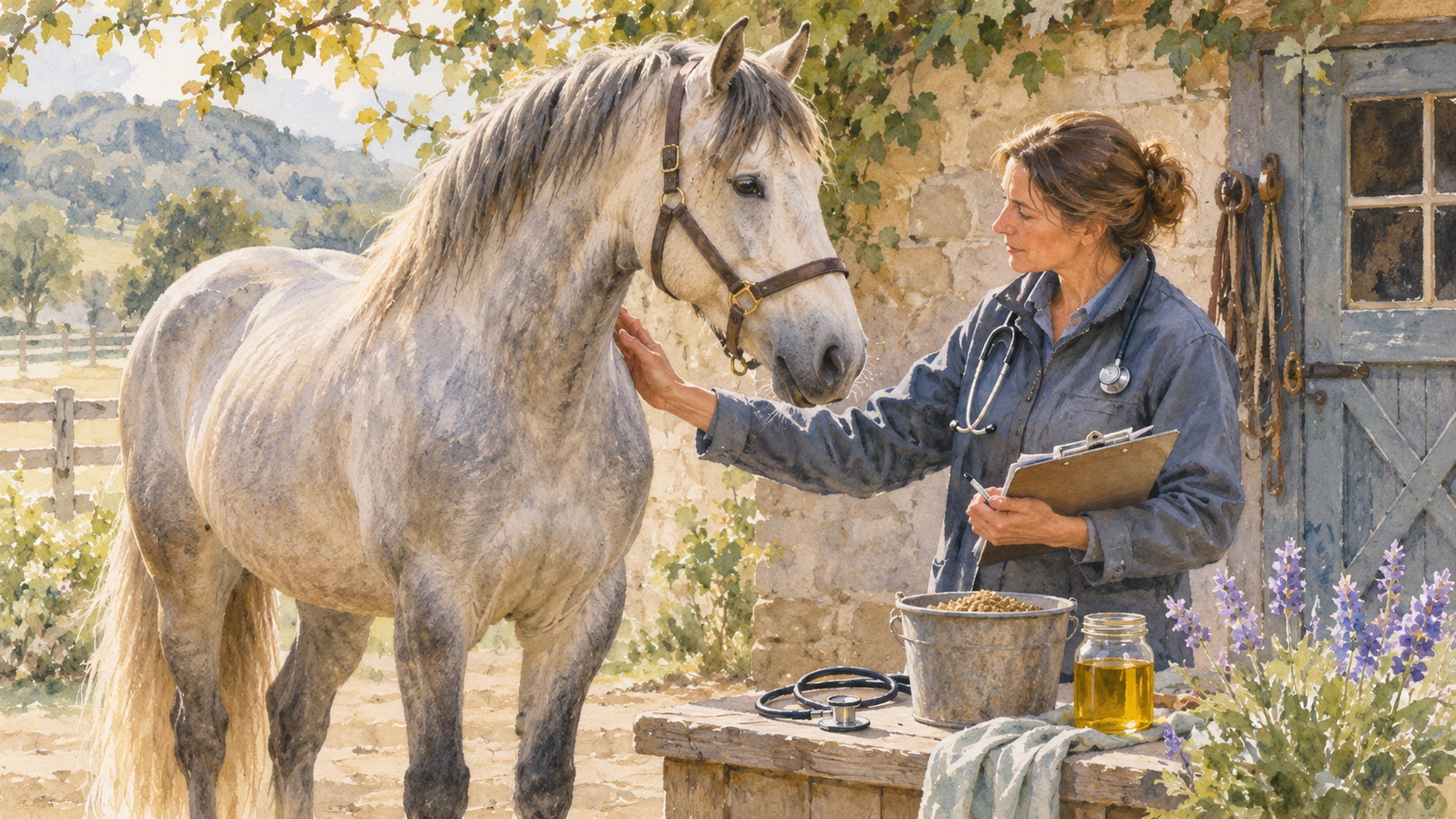
Illustrations are artistic interpretations, not diagnostic or anatomical diagrams. They show the general impression of the subject, not a specific horse or a measurement guide.






For more of our latest photos and inspiration, follow along on instagram at @instapony_.
© Redbud Ranch 2020 | Connemara Sport Horses and Ponies | photos by Lisa Martin |
terms & Condtions |
privacy Policy
Intentionally Bred with People in Mind
Browns Valley, CA
+ Show / Hide Comments
Share to: