


Understanding change before making permanent judgments
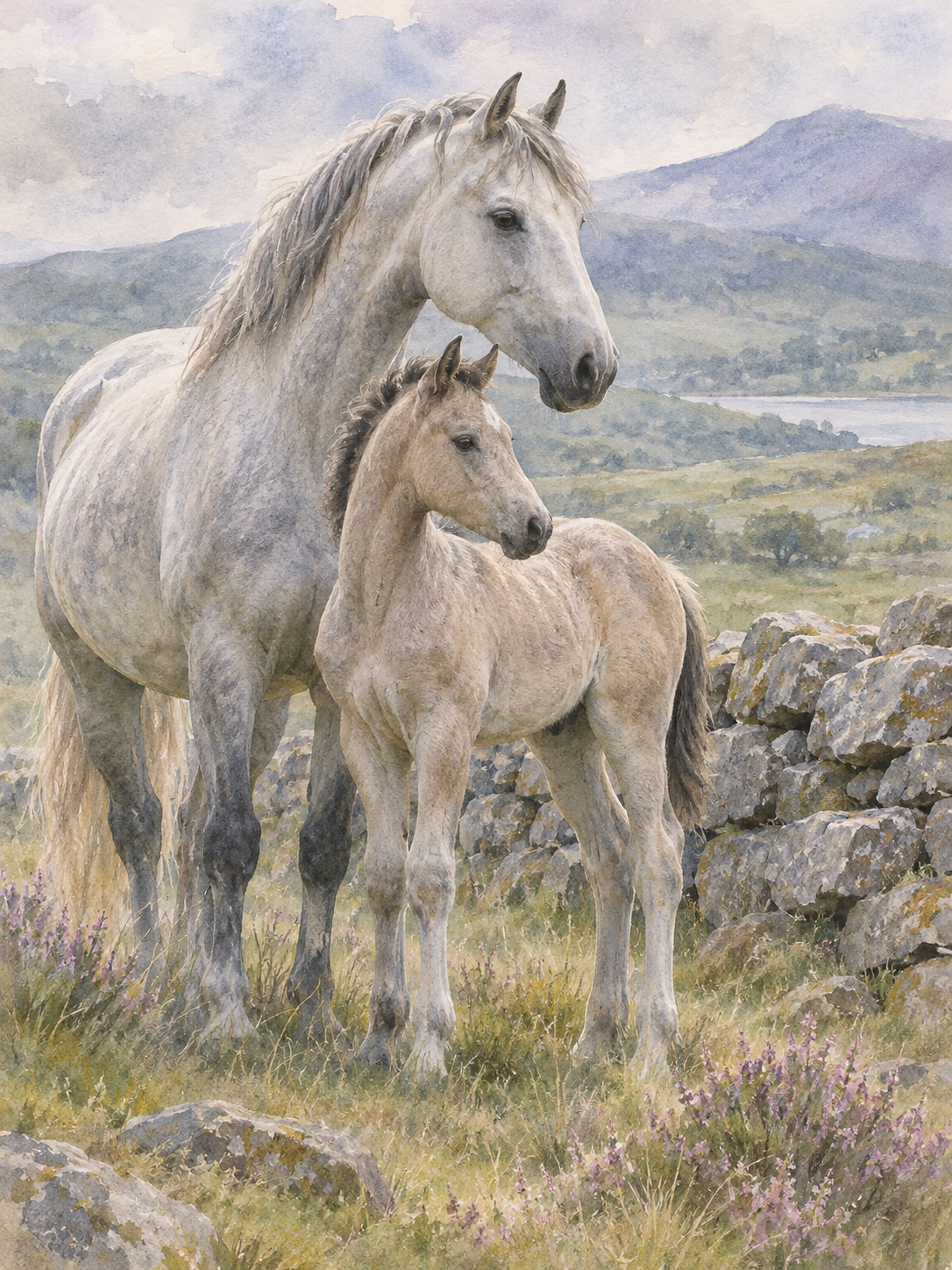
Young horses are moving targets
A yearling can look beautifully balanced in spring and awkward by autumn. Growth does not always occur evenly across the body, and condition, coat, posture and muscle development can alter appearance. The central challenge is to separate temporary developmental changes from traits that are likely to persist. Neither a flattering photo nor a difficult phase should decide a youngster’s future.
The changing outline
A youngster may appear croup-high, narrow through the chest or long in the leg as different regions develop. This does not mean every deviation will correct itself. Some structural traits can be assessed early, while others become clearer with maturity. Compare a sequence of standardized photographs taken over time rather than relying on memory or social-media images.
What can be evaluated early
Observe general proportions, joint and limb alignment, hoof quality, willingness to be handled and regularity of movement. Check whether the youngster stands comfortably and travels evenly on a safe surface. The breed standard remains a useful reference, but it describes the desired mature pony. A young prospect should not be penalized simply for lacking adult muscle or a finished topline.
What deserves caution
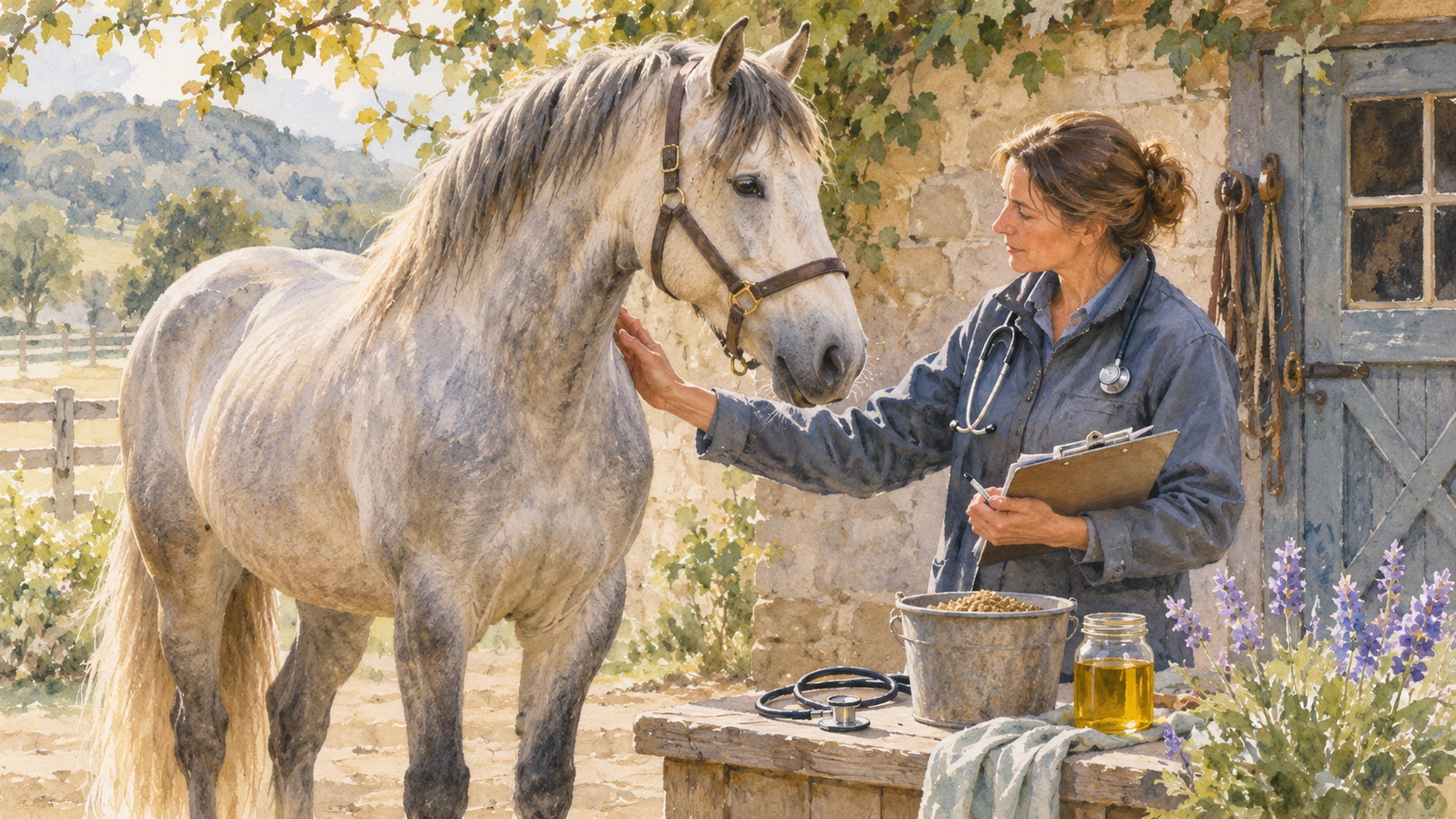
Marked asymmetry, persistent irregular movement, recurrent foot problems, significant behavioral distress or an obvious structural concern should not be dismissed as a phase. Discuss such findings with an equine veterinarian and qualified farrier as appropriate. Early evaluation is especially important when a buyer or breeder is contemplating a substantial financial or breeding commitment.
Management shapes the picture
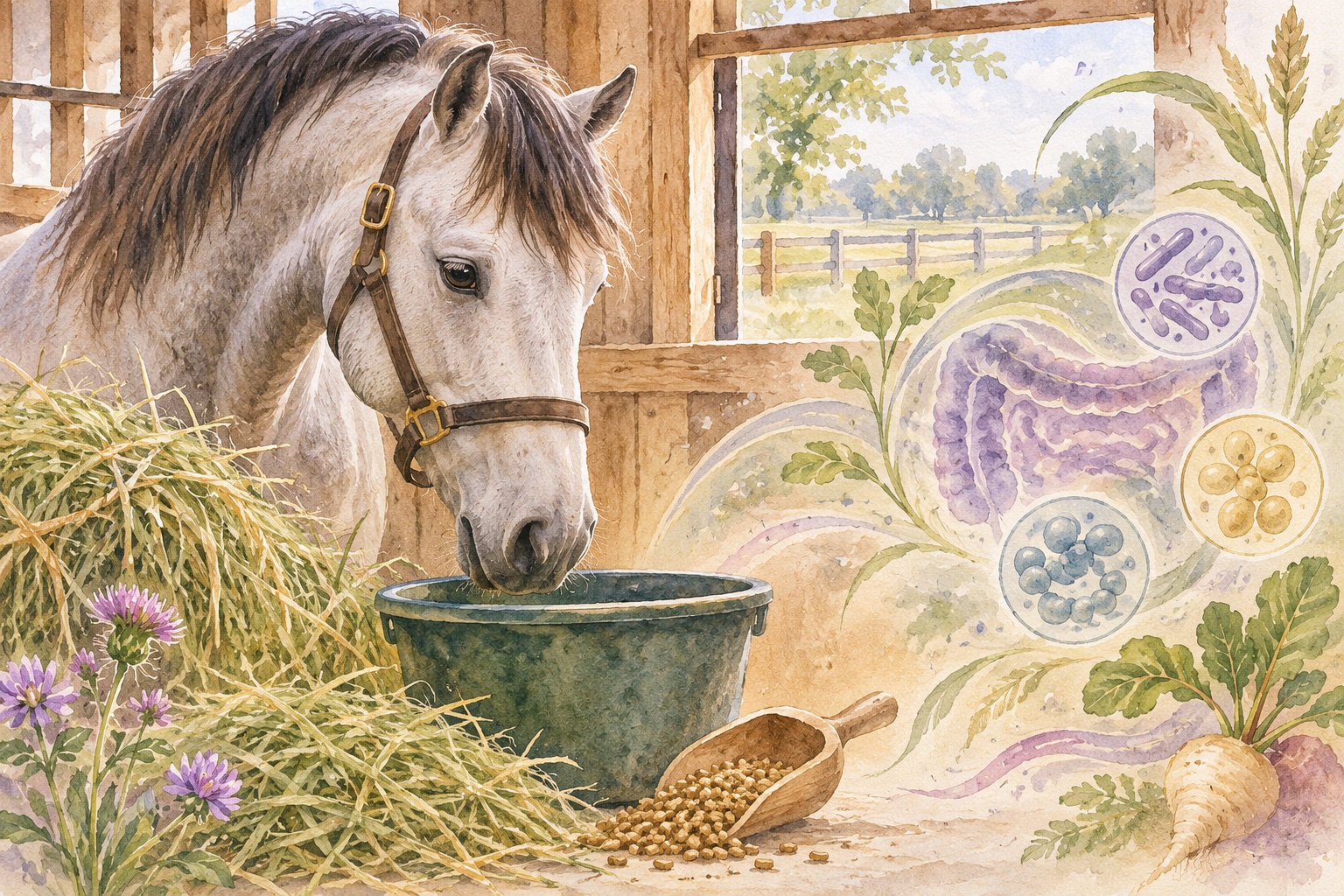
Nutrition, hoof care, turnout, appropriate exercise and handling influence development. Avoid trying to force a young horse into a mature outline through excessive conditioning or early specialized work. Ask an equine veterinarian for age-appropriate guidance on growth, diet and workload. A quiet, well-managed youngster may offer more useful information than one trained to perform beyond its stage of development.
A sensible assessment schedule
Create a record at consistent intervals: date, age, height if measured correctly, condition, hoof observations, photographs from four angles, walk and trot video, and notes on handling. Keep the same footing and camera position when possible. Record changes as observations rather than predictions. For breeding decisions, revisit the youngster after greater physical maturity.
The lasting lesson
Patience is a breeding skill. The objective is to recognize genuine potential while remaining alert to problems that require attention, not to promise that every awkward youngster will become an exceptional adult.
Related reading: Evaluating the Young Connemara · Breeding for Longevity
References and further reading
- ACPS breed standard: https://acps.org/about-connemaras/
- ACPS inspection criteria: https://acps.org/inspections-criteria/
- American Association of Equine Practitioners: https://aaep.org/
Editorial note: This educational article is not a veterinary examination, diagnosis or prediction of future performance. Registry requirements should be checked directly before breeding or registering.
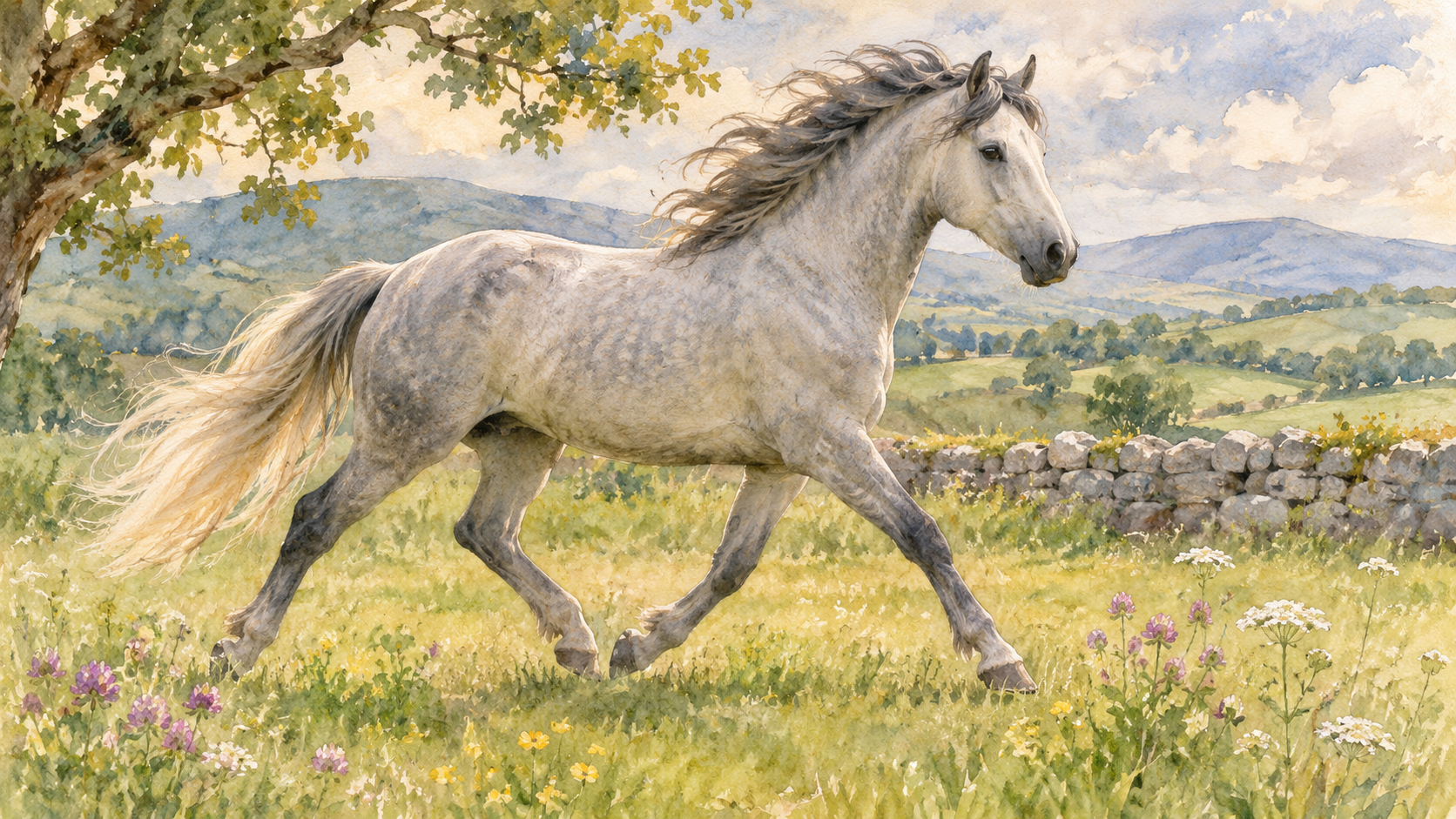
Illustrations are artistic interpretations, not diagnostic or anatomical diagrams. They show the general impression of the subject, not a specific horse or a measurement guide.

Previous Post
Next Post





For more of our latest photos and inspiration, follow along on instagram at @instapony_.
© Redbud Ranch 2020 | Connemara Sport Horses and Ponies | photos by Lisa Martin |
terms & Condtions |
privacy Policy
Intentionally Bred with People in Mind
Browns Valley, CA
+ Show / Hide Comments
Share to: