


The long view of usefulness, health and character
What does longevity mean?
Longevity is more than living to an advanced age. For a riding pony, it can mean remaining comfortable, manageable and useful through different stages of life. A successful early show record is worth celebrating, but it is not the whole story. Breeders should ask what supports years of sound work and good welfare, while recognizing that no mating can guarantee an injury-free future.
Functional construction
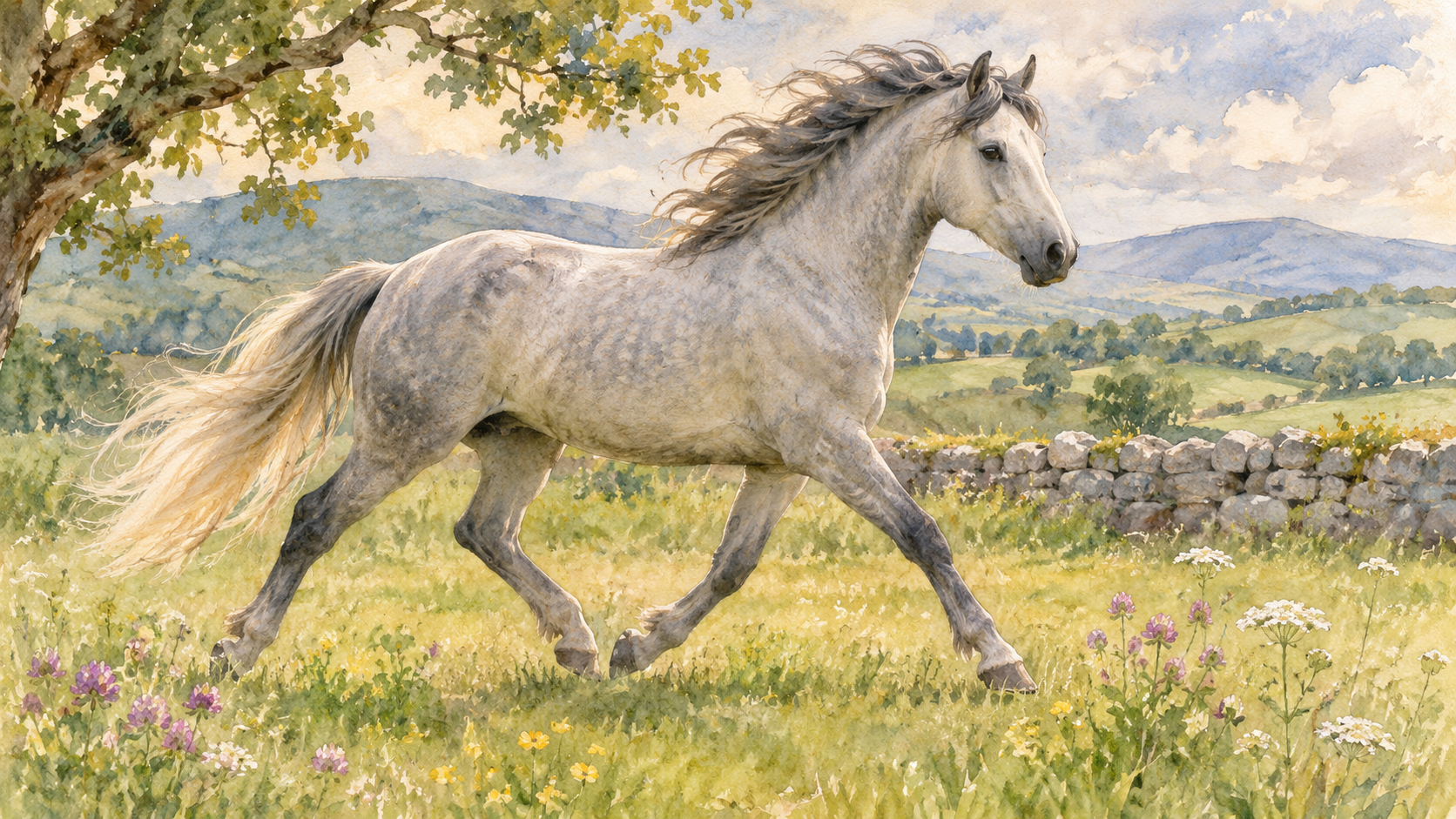
Begin with the complete horse. Assess balance, correct limb alignment, strong feet, a suitable back and hindquarters, and free, true movement. The ACPS standard emphasizes these functional traits. Avoid treating a single conformational feature as a prediction of career length: injuries and disease arise from multiple interacting causes, including management, workload, surfaces and chance.
Temperament as a lasting asset
A good mind is not merely convenient. Kindness, responsiveness, confidence and willingness can make a pony easier to train and more adaptable when its role changes. Temperament is influenced by inherited tendencies and experience. Evaluate it in different settings, with careful attention to handling and education rather than assuming that one quiet encounter tells the full story.
Feet and preventive care
Hoof quality and appropriate farriery deserve sustained attention. Review the family’s history of hoof problems and, for Connemara breeding stock, know HWSD status. UC Davis describes HWSD as an autosomal recessive condition for which genetic testing is available. A carrier is clinically unaffected for the tested variant; pairing a carrier with a tested clear mate can avoid producing an affected foal from that mating. Veterinary and farriery care remain essential for other hoof conditions.
Follow the offspring into adulthood
Breeders often know which foals sold quickly or won young-horse classes. More valuable long-term questions include: Are offspring still comfortably working at ten or fifteen? Have they remained willing partners? What veterinary or management challenges arose? Collecting such information requires owner consent and a fair acknowledgment of different workloads and environments. Anecdotes are useful prompts, not population-level proof.
Protect diversity and avoid simple formulas
Breeding only from a narrow set of fashionable winners can concentrate ancestry. Consider relatedness, health information, the merits of the mare and stallion, and the broader genetic population. HWSD carrier status should inform compatible matings rather than automatically exclude every carrier, as the UC Davis guidance explains. Breeding choices are best made with records and professional advice, not blanket rules.
The lasting lesson
The most meaningful measure of a breeding program may be the horses quietly doing their jobs years after the ribbons have been put away. Aim for correct, healthy, adaptable individuals, then support them with sound management throughout their lives.
Related reading: Understanding HWSD · Feet First: Hoof Quality · Understanding Heritability
References and further reading
- ACPS breed standard: https://acps.org/about-connemaras/
- ACPS inspection criteria: https://acps.org/inspections-criteria/
- UC Davis Veterinary Genetics Laboratory: https://vgl.ucdavis.edu/
- American Association of Equine Practitioners: https://aaep.org/
Editorial note: This educational article is not a veterinary examination, diagnosis or prediction of future performance. Registry requirements should be checked directly before breeding or registering.
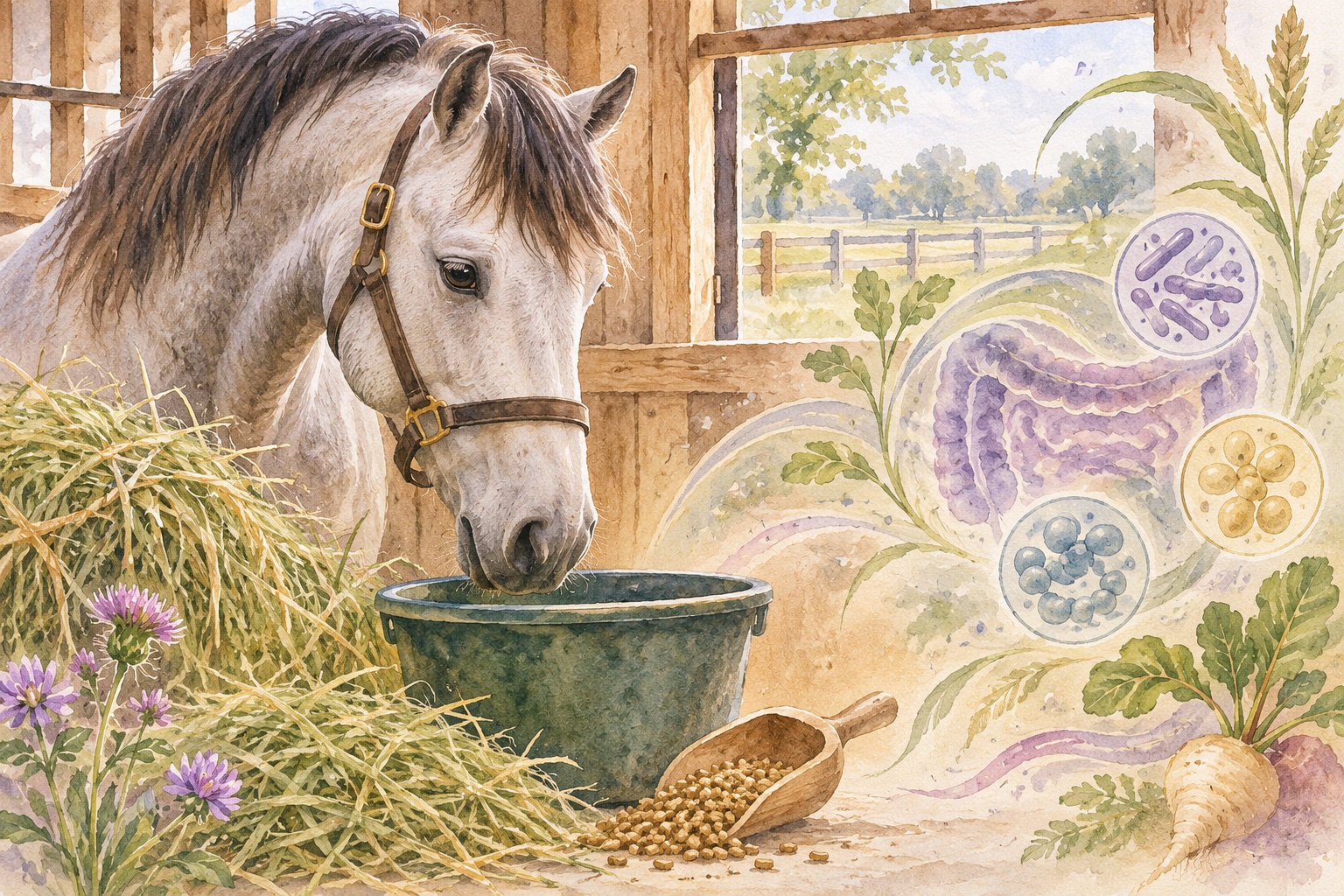
Illustrations are artistic interpretations, not diagnostic or anatomical diagrams. They show the general impression of the subject, not a specific horse or a measurement guide.

Previous Post
Next Post





For more of our latest photos and inspiration, follow along on instagram at @instapony_.
© Redbud Ranch 2020 | Connemara Sport Horses and Ponies | photos by Lisa Martin |
terms & Condtions |
privacy Policy
Intentionally Bred with People in Mind
Browns Valley, CA
+ Show / Hide Comments
Share to: