


Structure, hoof care, and inherited health
The foundation of usefulness
The Connemara has a longstanding reputation for hardiness, and its breed standards explicitly value hard, strong, well-formed feet. That expectation should guide selection, but it must not become an assumption that every registered Connemara has excellent feet. Hoof quality varies among individuals, and sound hoof care remains essential.
What to observe
Examine all four feet on a level surface. Look for general symmetry, appropriate size relative to the horse, wall integrity, heel support, and a hoof-pastern relationship that does not appear markedly broken forward or backward. Observe how the pony lands and travels. A hoof that looks tidy immediately after trimming may reveal little about how it wears between farrier visits. Photos taken over time can be useful.
Environment and management matter
Hooves respond to trimming or shoeing, workload, footing, moisture changes, nutrition, and underlying health. Flaking, cracks, distortion, or tenderness can have multiple causes. No visual checklist can determine the diagnosis. Persistent problems warrant a veterinarian and qualified hoof-care professional working together.
Hoof Wall Separation Disease
HWSD is especially relevant in Connemara breeding. UC Davis identifies a recessively inherited SERPINB11 variant associated with separation and cracking of the hoof wall. A horse with one copy is an unaffected carrier; mating two carriers creates a 25 percent chance per foal of inheriting two copies. Disease expression can vary, and a laboratory test is the appropriate way to establish genetic status for this variant. A normal-looking hoof is not proof that a pony is not a carrier.
Use testing without discarding diversity
A carrier should not automatically be described as an unsound or inferior animal: carriers are generally unaffected. A tested carrier bred to a tested non-carrier will not produce a foal with two copies of this variant, although some offspring may be carriers. The objective is to prevent affected foals while preserving valuable genetic diversity. Confirm results and current registry rules before breeding.
A buyer’s and breeder’s checklist
Ask for hoof-care history, previous lameness evaluations, radiographs when indicated by a veterinarian, and documented HWSD status. Watch the pony on suitable footing, not only standing still. Evaluate the feet as part of the whole horse and the intended workload. Strong feet are a valuable goal, but their long-term health depends on both inheritance and management.
Related reading: Flat Bone · Breeding for Longevity · The Ugly Duckling Stage
References and further reading
- ACPS breed standard: https://acps.org/about-connemaras/
- ACPS inspection criteria: https://acps.org/inspections-criteria/
- UC Davis Veterinary Genetics Laboratory: https://vgl.ucdavis.edu/
- UC Davis HWSD veterinary overview: https://vgl.ucdavis.edu/test/connemara-hwsd
- Finno HWSD scientific review
Editorial note: Educational guidance only. Individual health, lameness, and breeding questions should be discussed with a qualified veterinarian and the relevant breed registry.
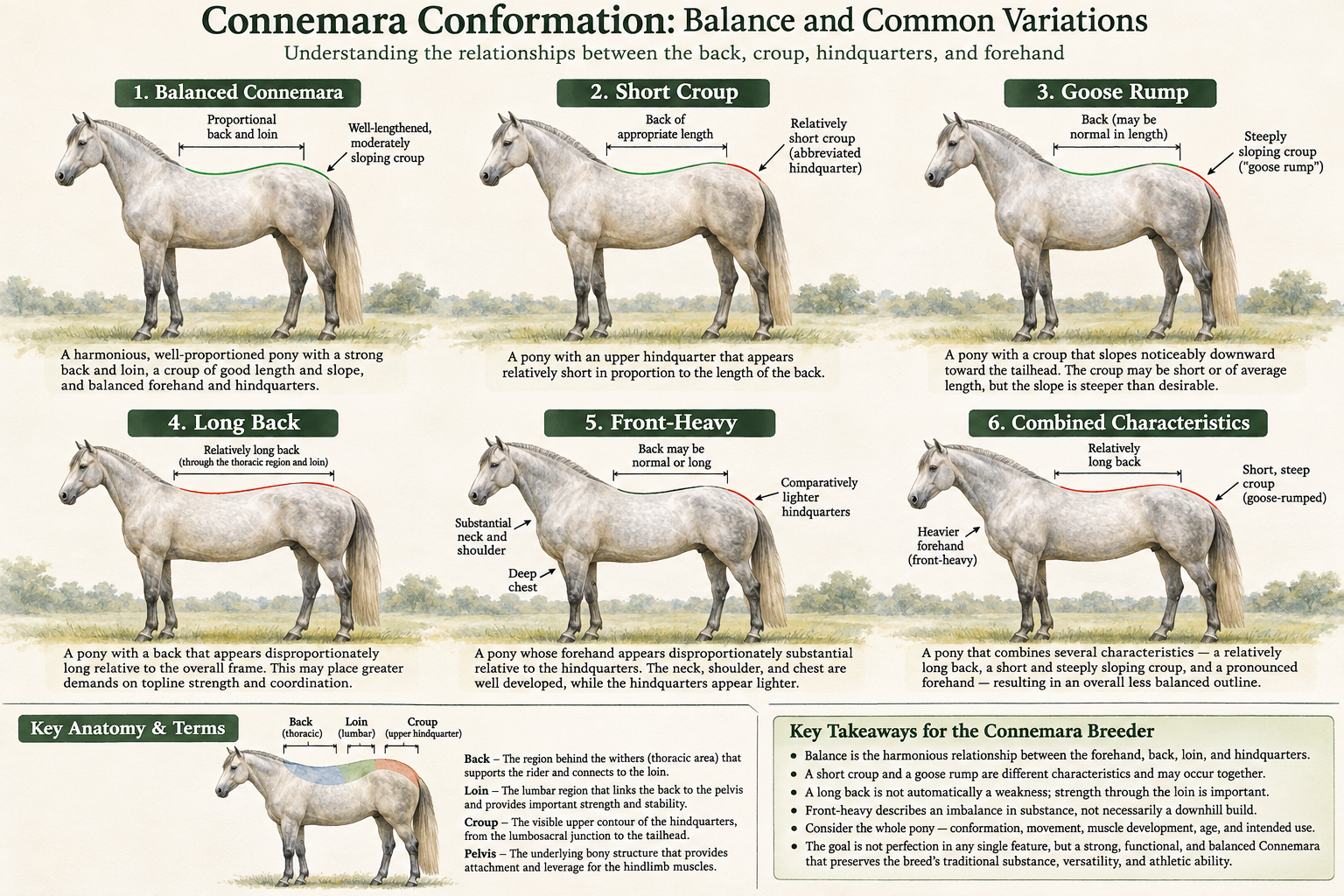
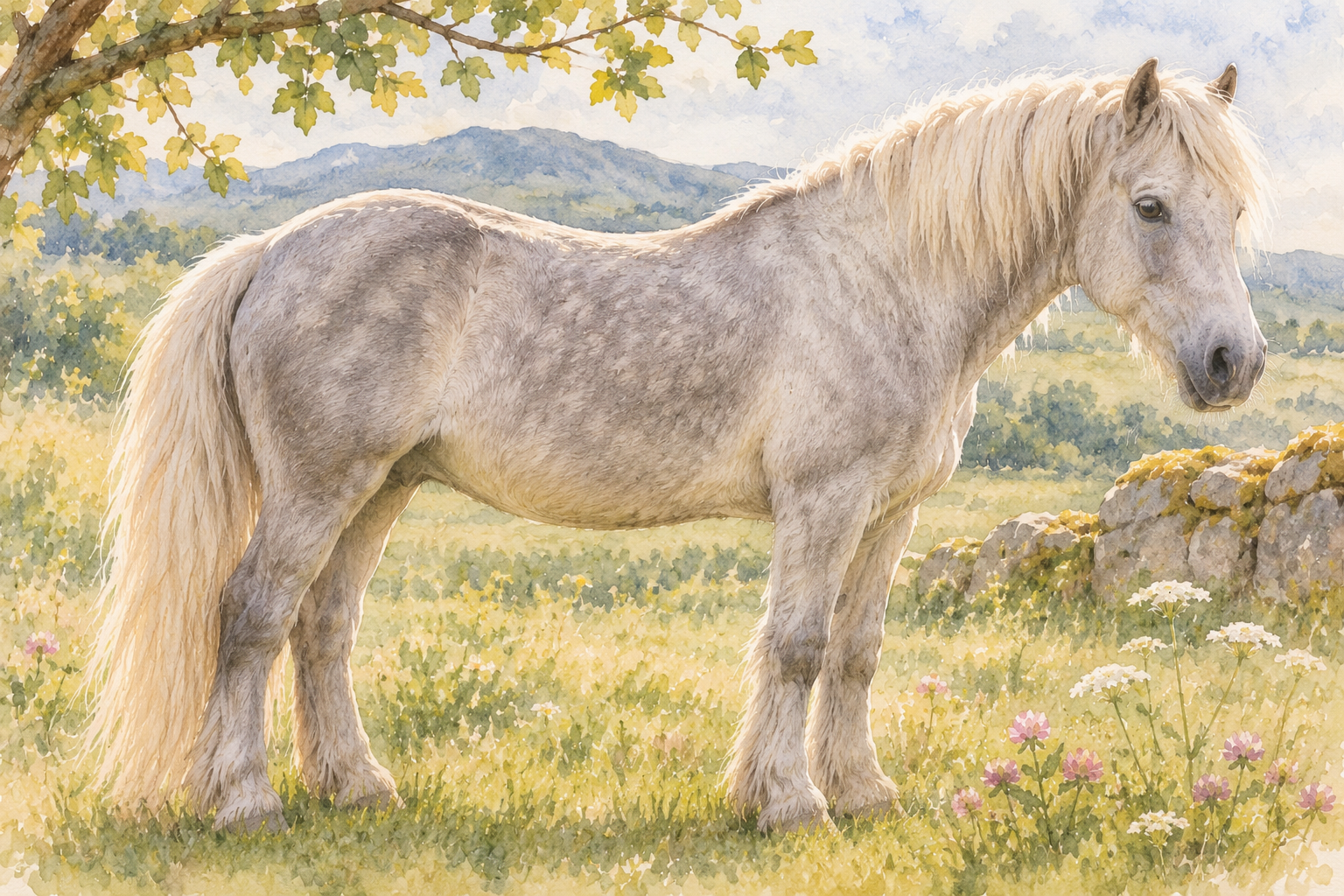
Illustrations are artistic interpretations, not diagnostic or anatomical diagrams. They show the general impression of the subject, not a specific horse or a measurement guide.


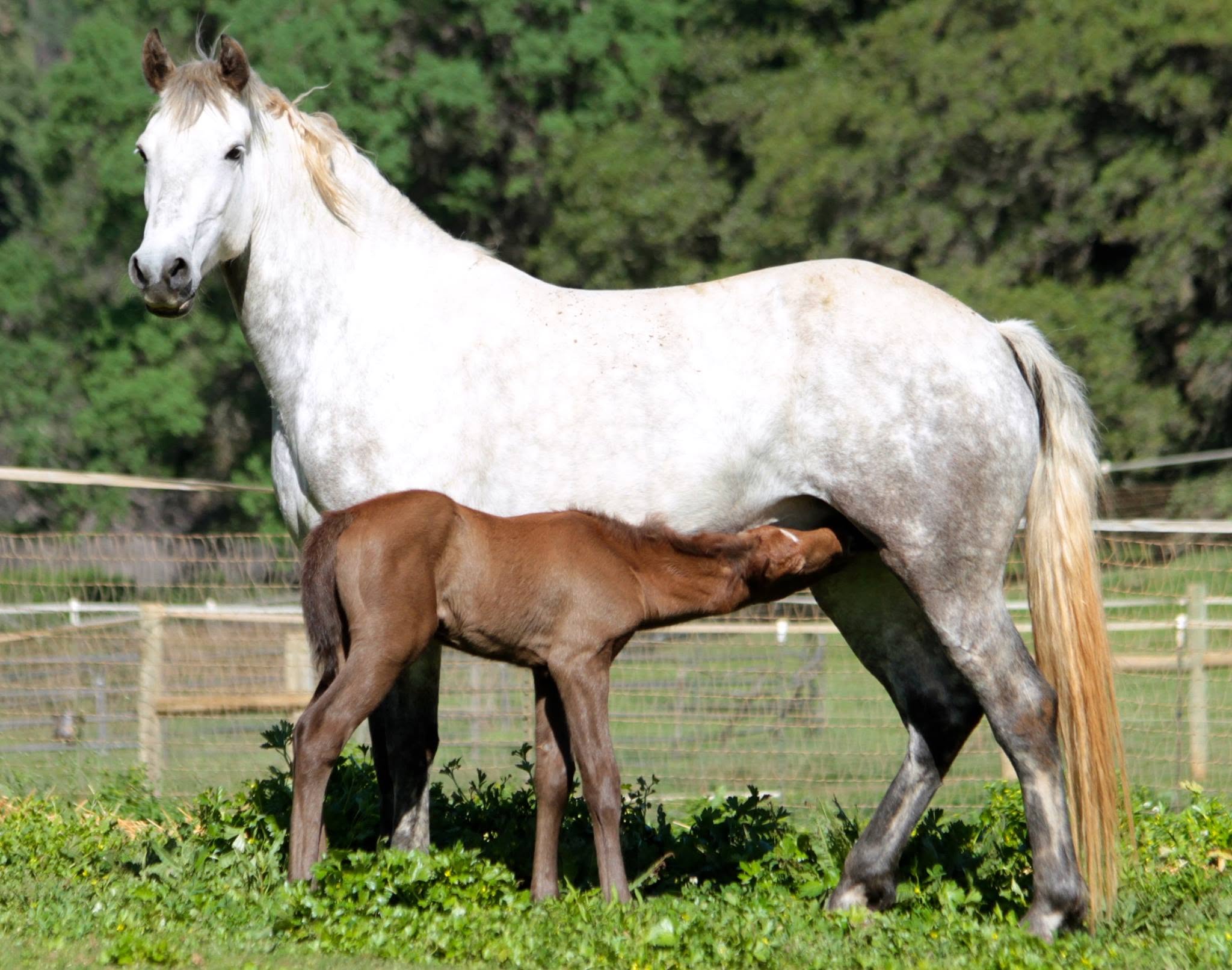




For more of our latest photos and inspiration, follow along on instagram at @instapony_.
© Redbud Ranch 2020 | Connemara Sport Horses and Ponies | photos by Lisa Martin |
terms & Condtions |
privacy Policy
Intentionally Bred with People in Mind
Browns Valley, CA
+ Show / Hide Comments
Share to: